Research Areas
The Rappel Lab at UC San Diego focuses on understanding complex biological systems through the lens of physics. We combine theoretical modeling, computational simulations, and experimental studies to investigate fundamental questions in cell biology and cardiac physiology.
Research videos are silent scientific visualizations. Captions next to each video describe the visual content.
Cell Motility & Chemotaxis
Cell motility is fundamental to many biological processes including wound healing, immune response, and cancer metastasis. We study how cells sense chemical gradients (chemotaxis) and translate these signals into directed movement. Our work combines mathematical modeling with experimental data to understand the signaling networks that enable cells to navigate their environment.
- Gradient sensing mechanisms
- Signal transduction networks
- Mathematical models of cell migration
- Dictyostelium discoideum studies

Cardiac Dynamics
The heart is an excitable medium where electrical waves coordinate the contraction of millions of cells. We develop computational models to understand how these waves propagate, what causes arrhythmias, and how the heart's geometry affects its electrical behavior. Our work has implications for understanding and treating conditions like atrial fibrillation.
- Wave propagation modeling
- Arrhythmia mechanisms
- Cardiac tissue simulations
- Atrial fibrillation research

Developmental Biology
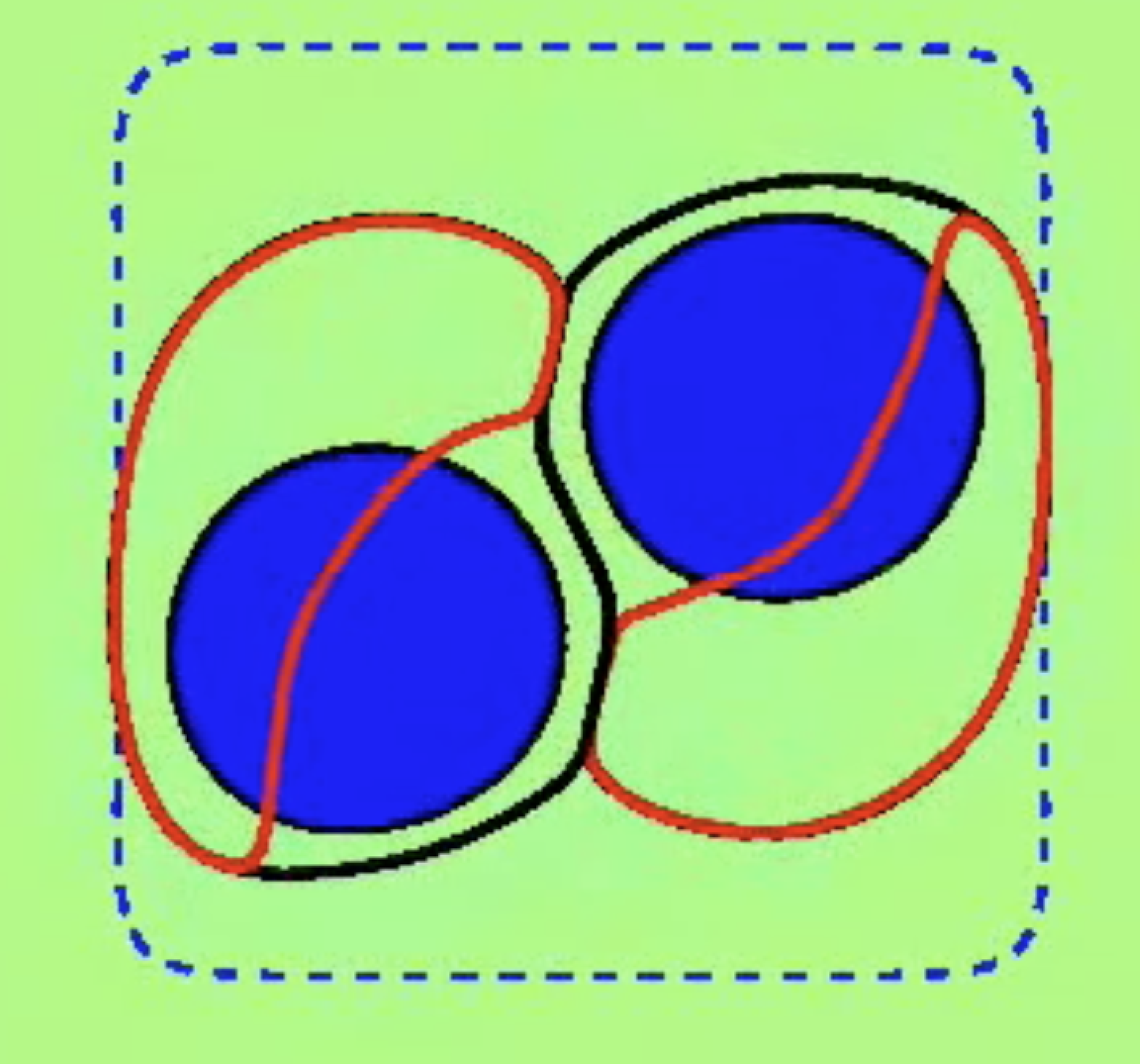
Embryonic development involves precisely coordinated cell movements and tissue organization. We investigate how physical forces and biochemical signals work together to create complex structures. Our research explores pattern formation, morphogenesis, and the mechanical properties of developing tissues.
- Morphogenesis
- Pattern formation
- Tissue mechanics
- Cell sorting mechanisms

Computational Methods
We develop and apply computational methods to study biological systems across multiple scales. This includes molecular dynamics simulations, phase-field models, and machine learning approaches for analyzing experimental data. Our methods enable us to bridge the gap between molecular interactions and cellular behavior.
- Phase-field modeling
- Multi-scale simulations
- Data analysis pipelines
- Machine learning applications
Atrial Fibrillation & Arrhythmia Mapping
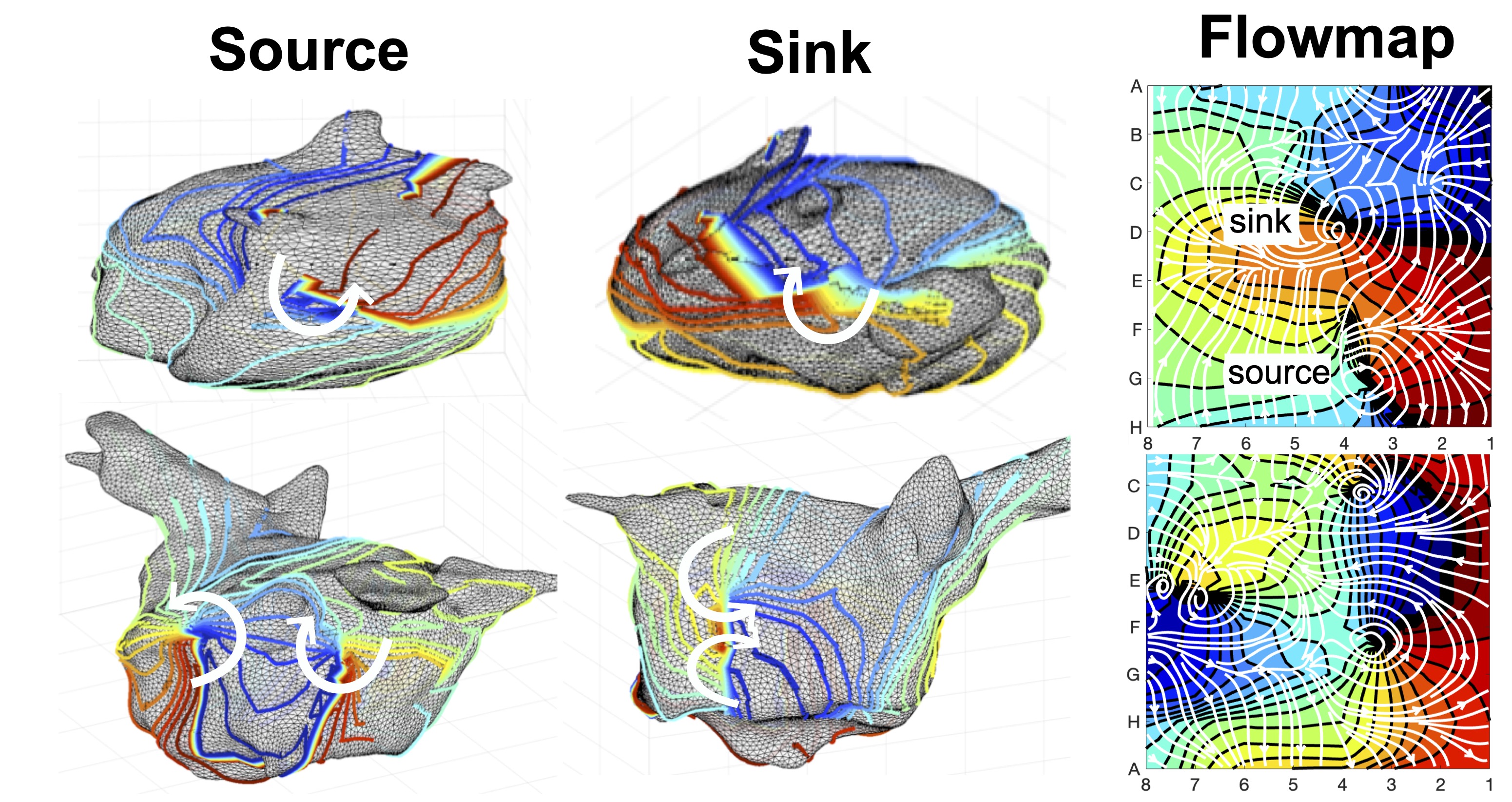
Atrial fibrillation is a complex rhythm disorder in which abnormal electrical activity disrupts coordinated cardiac contraction. We combine computational models, signal analysis, and AI-assisted mapping methods to identify organizing patterns in arrhythmic activity and to connect those patterns to underlying tissue structure.
- Arrhythmia source localization
- Atrial activation mapping
- Signal processing and feature extraction
- AI-assisted rhythm classification